
Digital Minimalism
- Twos App — used every day as my digital bullet journal. Just like a bullet journal, the entries are short and to the point. The quick capture is perfect for my use case. Any thoughts or ideas go into a list called 00 INBOX. I am using it more for work these days than for personal use. It’s a free piece of software with the option to buy PRO features. To be honest, you can unlock the features by gaining coins through tiny daily onboarding missions. I’ve got a few posts and a YouTube video of how I use Twos at the bottom of this post.
- Apple notes — used for capturing/accessing home, personal, financial and family-related content. Projects around these listed areas remain in Apple Notes. Apple Notes offers me the best of everything I need at zero cost (apart from hardware). Subtle integration with the other Apple services has made Apple Notes a pleasure to use. I cannot stress enough how much I appreciate the OCR and Apple Pencil capabilities.
- Upnote — Here is a note-taking app that has made a significant impact. All my coding, teaching and blogging material goes in Upnote. Contextually, this is where I go to create. I made a one-off payment of £24.99 nearly two years ago. I haven’t regretted that decision. Upnote is overlooked. Recently, they have added workspaces, meaning I can separate my personal and work-related notes. Even better, I can lock those workspaces, so no-one can access them. The web clipper is handy for capturing entire webpages. Apple Notes isn’t perfect. Upnote bridges the gap, especially when I want to access notes on other platforms.
- Follow me on Micro.Blog
- Follow me on Mastodon (AllThingsTech)
- Follow me on Medium
- Follow me on X / Twitter
- Follow me on Tumblr
- They don’t receive security updates like smartphones do. There’s no secure messaging option either, only SMS, which is easily accessible to those who want to gain access to your messages.
- Google and Meta have access to what you use on modern feature phones. If getting away from these tech giants is your concern, then a feature phone is not the answer.
- The web browser on the phones does not have the security features available on modern browsers. Welcome to ad city. Good luck trying to read page without the ads blocking your view.
- Google Maps, Waze, or Apple Maps are brilliant tools to navigate to places unfamiliar. The difficulty with features phones is they have a basic version of Google Maps, which is unless.
- You will spend a lot of time researching your journey instead of actually working on important things (not productive at all).
- Searching for the nearest place to refuel, shop and eat will require you to pre-plan your journey. I would have stacks of Post-Its and notebooks with directions, printouts and snippets to aid me on the journey.
- The apps on features phones are outdated. You will not find anything useful. There were countless times I wanted to take a quick note, add something to my calendar or check an email. I couldn’t. Again, the apps are not available. You will need a pen and notepad, if you remember to bring them with you.
- Phone operating systems like KaiOS are supported by Google and Meta. You will have a phone bloated with their apps. I wanted to get away from them, not have them as the only apps on the phone.
- Ads are everywhere on these devices. I was inundated with ads popping up while navigating the complicated menu system. I even received push ads on the weather and music app.
- Feature phones do not have multitasking available. Some of the phones won’t let copy and paste either.
- Yes. WhatsApp is installed on some feature phones. However, there is limited in functionality. It is a lightweight version of the software. WhatsApp added group chat to some phones. It was a minefield to find out what phone supported group chat. Even then, waiting for the update to be pushed out was a real gamble.
- You will not have access to other communication services and messengers.
- Videos calls? Forget it.
- The signal strength and call quality was poor in all the phones I tried out.
- Bluetooth connections in a car can be temperamental. Dropped calls, no audio coming through, missing phonebook, distorted voices, to name a few.
- Most of the feature phones on the market have poor cameras in them. VGA or 2MP is the best you will get.
- You will miss important moments that you would have wanted to capture.
- Getting the content onto your computer is difficult. Some phones record in a format not recognised without additional software.
My minimalist approach to taking notes
How applying a minimalist philosophy to note-taking stopped the information overwhelm.
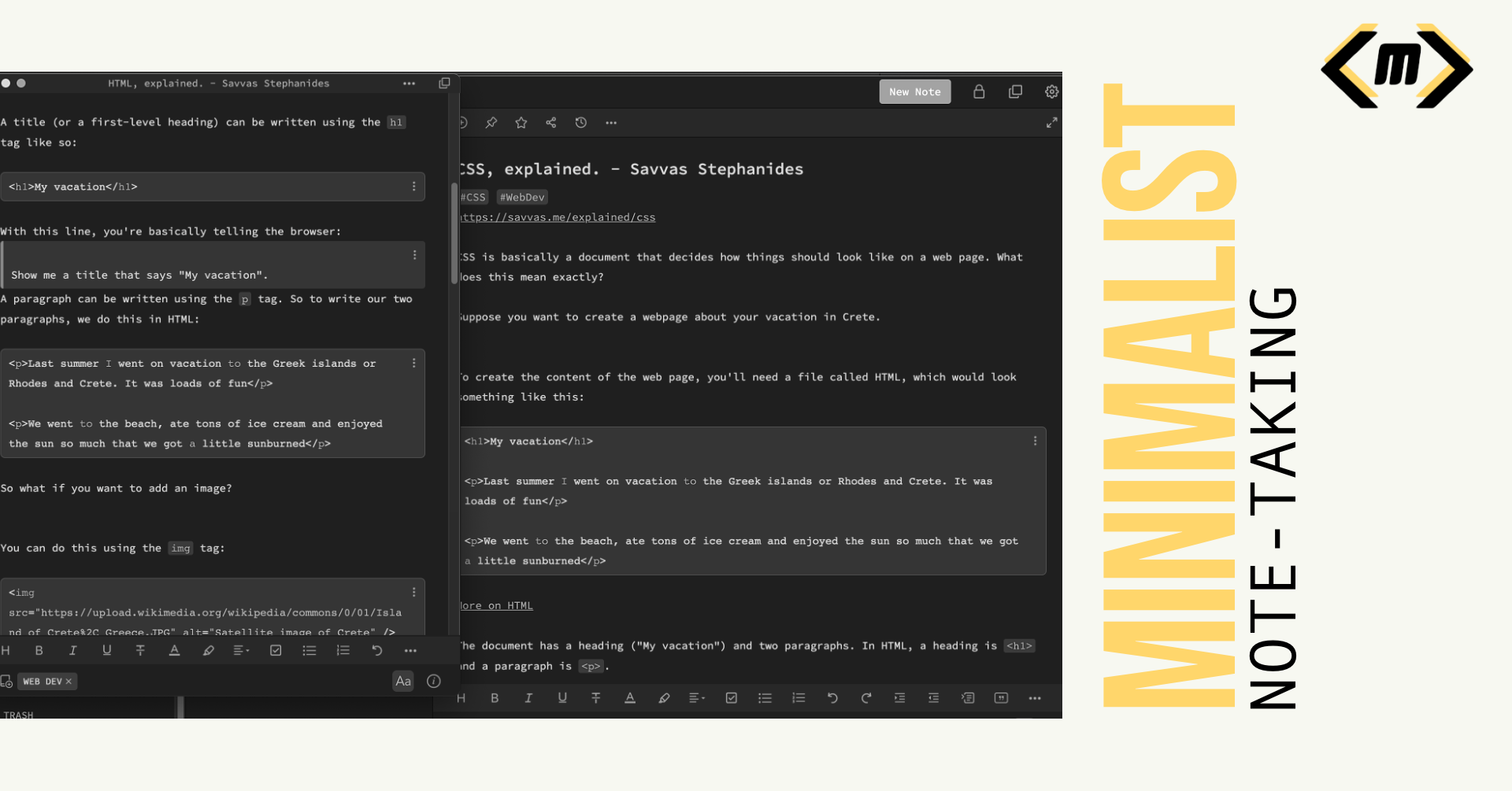
I don’t take many notes these days. My workload, hobbies, and learning haven’t slowed down either. So, why have I significantly reduced the number of notes created each week? To answer this, I need to explain what was happening before I made the changes, as well as why I had made the changes I now follow.
Enter note-taking or note making alongside the word ‘app’ or ‘PKM’ (or whatever word you can think of in this space), and you will quickly see people online advocating for their favourite productivity app. Their staple in organising and distilling information each day is paraded as a badge of honour. More noticeably, Notion and Obsidian are the hot contenders to take this throne of note-taking.
Some users even stir the pot and proclaim their shiny new tool is the best note-taking/making tool on the market. It will make you more productive, didn’t you know? (insert sarcasm here). Cue the flurry of responders with the affirmations what app is the best and why other apps suck, etc.
I, like many others, have fallen for the endless loop of searching for a great note-taking tool. I have tried too many to admit. Both money and time have been spent on this endeavour. Just this year alone (three months — Jan to March 2024), I have used Apple Notes, Twos, Craft Docs, Anytype, Notion, xTIles, Supernotes, OneNote, Upnote, Obsidian and Workflowy. That is a lot of apps to play around with. In reality, I only need one app, but I wanted to test out what each of them had to offer. Furthermore, I wanted to see how my way of capturing, organising, distilling and expressing was compatible with these apps.
As you can imagine, these applications all have their strengths and weaknesses. Some apps were stronger than others. For me, I put offline-first apps at the front of the queue. The reason for this is a productivity hack I have used for six months where I disconnect my MacBook from the internet. I get fewer notifications, increased focus and an impressive battery life on my MacBook. Furthermore, the always-connected approach weirds me out. Why do apps and services want to persistently track everything I do? Talk about creepy.
Information enlightenment
I was in the middle of a weekly reflection when I realised I had taken over 3000 words of notes in the space of five days. That’s a lot of notes for something that was not a blog or report. I thought to myself I would probably not access these notes in the future. What is the point of writing them?
I’m done with finding the perfect app for my notes. My information is spread across an array of apps to the point I couldn’t tell you where something is. I sat down and looked at the situation. I sat down, saw the mess, realised what I needed to do (it was recorded in my notes) and set out to divide my information between three apps. This way, I could focus my attention on the structure and approach I would take with each of the three apps.
By being selective, I have eliminated the need for a super note-taking app. My information is now mostly split between three apps. I have a blog coming out soon with apps I use every day, but I will mention three of them now with the addition of one I use occasionally for specific use cases.
The Trio of ‘Takers
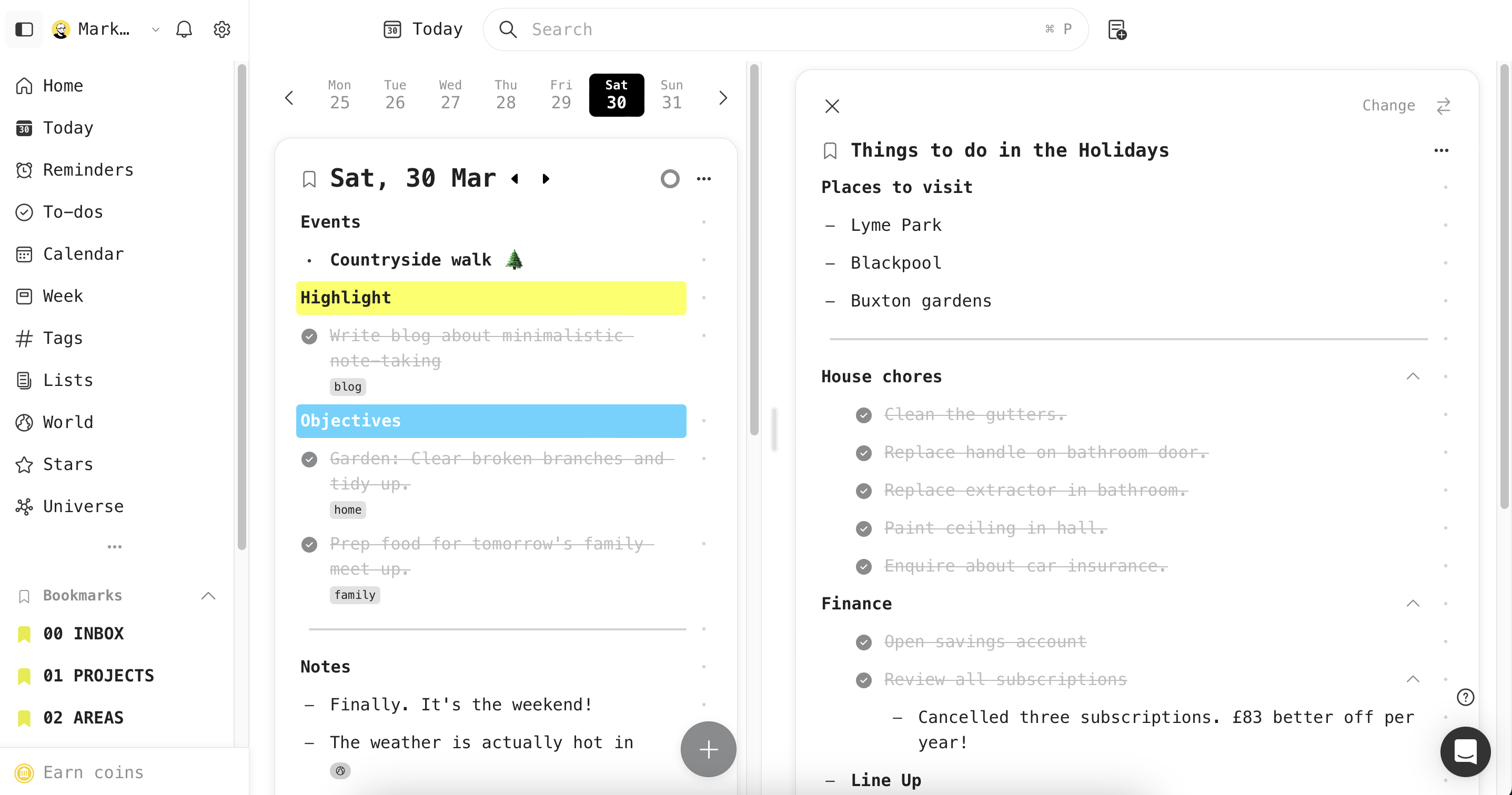
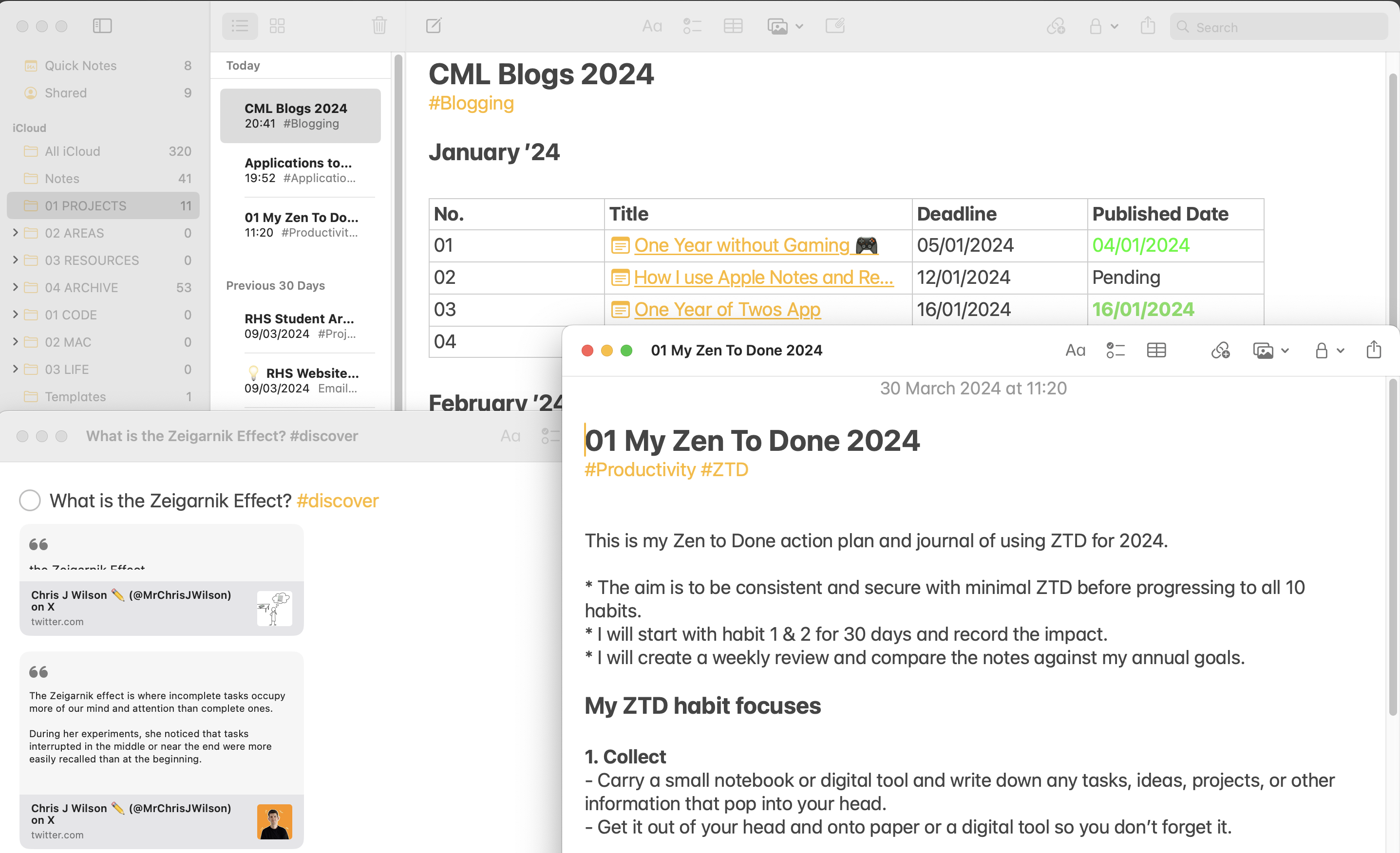
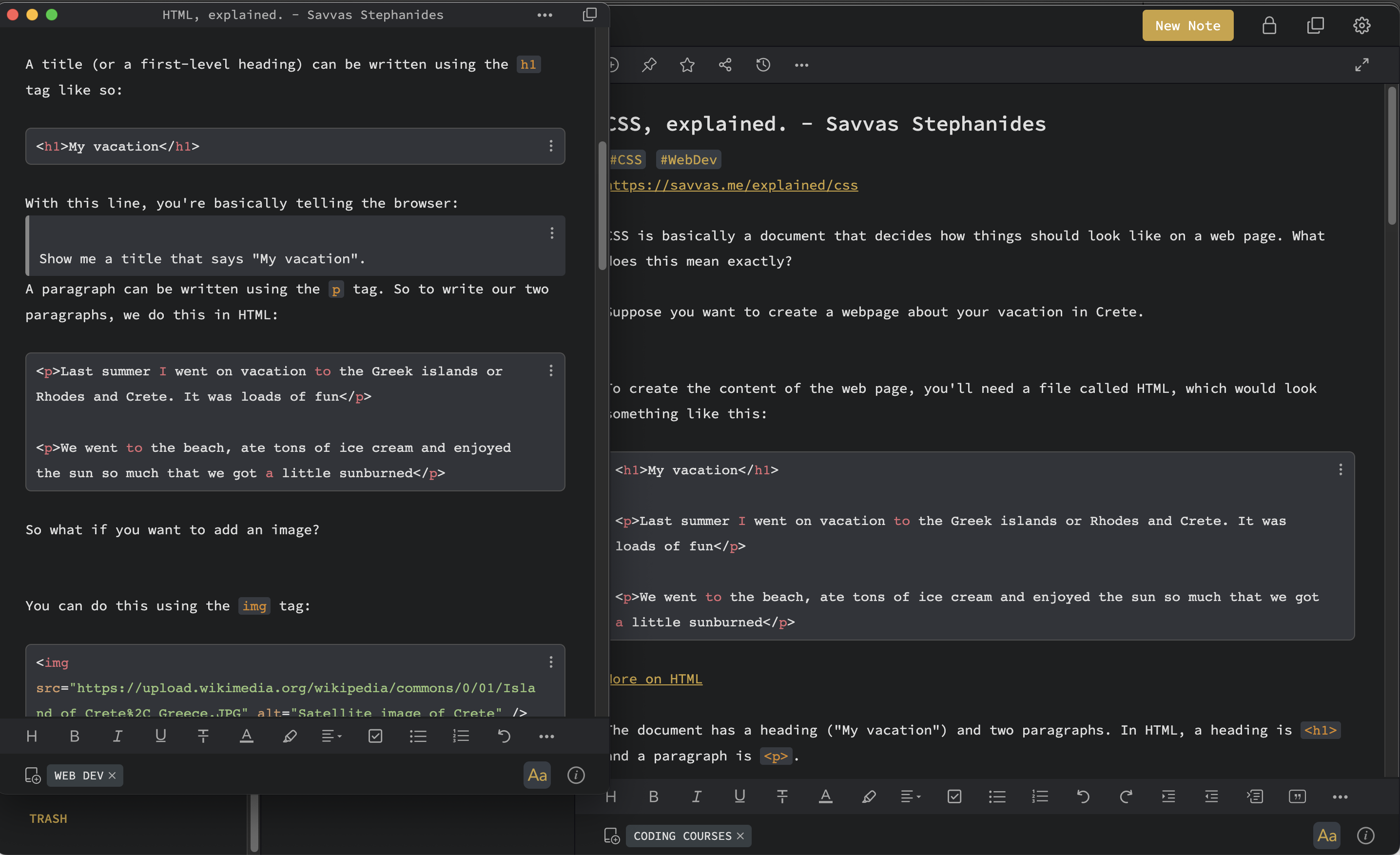
As you can see, I have reduced my subscriptions to zero. When I was paying for software, I felt obliged to use the software, and it was done so aimlessly. I am currently evaluating what I use because I would like to reduce my app stack further. The fewer apps I have, the better chance I have at mastering them.
Changing my attitude
I thought to myself — if I stop taking notes (or limit them), I have fewer things to organise and more time to do other things I value. Essentially, the need for a shiny new tool is no more.
Extreme as it may sound, I have applied the same principle of less to my digital life like I have for my possessions and finances. I aim to record as little as possible without losing clarity in what I am doing each day. No notes, no problems. I have to be realistic here. There will be many times when I need to record information for my future self and my legal obligations at work. However, I have broken out of the bind to record notes for the sake of recording notes. I very rarely refer to them or utilise them in a way I find helpful, anyway. What I am trying to say is I am exceptionally good at sophisticated procrastination. I am changing, though. Less but better I need to remind myself.
What does it look like?
I am stricter on what I capture. Since I decided to approach note-taking and note-making through the lens of essentialism, I have found myself suffering from less decision fatigue over what to record. I ironically took notes on how to take better notes. I had been approaching the topic wrong for decades.
Selective note-taking lets me focus on capturing key points, main ideas and concepts without the need to transcribe everything I read or think. Most notes are snippets of information in bulleted fashion. This is my minimum viable product of note-taking. If I can use pictures to support the notes, I will. Do I need to tell you how many words a picture paints?
If the average person has six thousand thoughts per day, how many of them are ideas? Do we really need to capture them all? I feel that secure ideas will re-emerge if they carry any weight. In the past, I had a tendency to capture every idea and let it sit, abandoned, somewhere in a random folder in a forgotten app somewhere. That has changed.
If the idea is a recurring thought, I will place it in my folder called 00 INBOX within the Twos app, and it is tagged with #owls — oozing with loveable sparks. If that so-called spark does not prompt any further action past thirty days of incubation, I simply delete it. No archive treatment. No collecting dust in the inbox. Ruthless is my middle name. Owls are not exclusive to Twos. It is simply the frequently captured location of choice.
Books
I don’t enjoy taking notes on the books I read. I want to enjoy the experience of reading it. If I do take notes, they are actionable and help me by point of reference. Book notes are the only notes I actually search through for more than three times a year.
When I am reading a book, it tends to be in the evening to wind down. Reading is a mindful process for me. I would rather not be racing with ideas and thoughts, taking notes before bedtime. Instead, I bookmark the page, add a little comment to myself and review it on Saturday.
I will outline the key ideas or concepts in the Twos app. If I want to pad the information out, I will transfer the information to Apple Notes where I can add additional images, sketches, articles, PDFs, and audio snippets I have recorded. Still, I do this with the minimal amount of information.
Fun with folders
I would occasionally get giddy with throwing handfuls of attachments into my notes apps. Again, with my new approach, I am utilising the good old file explorer (or Finder) to store attachments. My files stay in folders, not notes. All references to them get recorded in their respective note-taking app. For example, the Twos app does not support attachments (yet), so I record where a certain file is on my work’s server. I reference to the file without saving it to the notes app. The exception is Apple Notes where I store specific receipts, recipes, manuals in PDF form and photos as reference to a project.
The approach has reduced the amount of file storage I need in my notes apps, too. There’s no need to worry about going over storage quotas. Pages in Upnote and Apple Notes run quicker. I can focus on the context of the notes without being distracted with what is attached to the note. So far, I have not come across any problems. Both apps are fast with synchronising and I haven’t experienced any loss of data or duplication.
The minimalistic approach to note-taking will take time to nurture.
Of course, it is early days in my approach to note-taking. I am sure there’s some kind of flaw to what I am doing. I need to experience that for myself. Likewise, I genuinely love the minimalistic lifestyle and I feel so much better for it. In one month, I have seen how much calmer I am when it comes to taking notes. There’s no pressure to make things perfect. I have more time to act on my information. Less time is occupied, pondering on what to record and how to act on it.
I feel I have broken out of the shackles of switching between so-called productivity apps. The feeling is liberating. A principle during my coding course has taught me a lot — KISS (Keep It Simple, Stupid). I intend to stick to it.
Moreover, I feel more present with what is going on around me. I am spending extra hours, here and there, with my family. My son appreciates the time to spent playing football, basketball or any other activity that genuinely exhausts me.
I hope this post resinates with some of you. Have you done anything to capture less and live more? What strategies have you used? I am interested in finding out about your experiences.
Related links
As always, thank you for taking the time to read my post.
Mark @ CodeMacLife
Follow me on Micro.Blog
Follow me on Mastodon (AllThingsTech)
Follow me on Medium
If you are interested in using Twos for your bullet journaling, please sign up with my referral code: codemaclife.
Or click this link below:
https://www.TwosApp.com?code=codemaclife(https://www.twosapp.com/?code=codemaclife)
Bullet Journal to Twos ⚡️✌️
Comparing the six core areas of the Bullet Journal to Twos app.
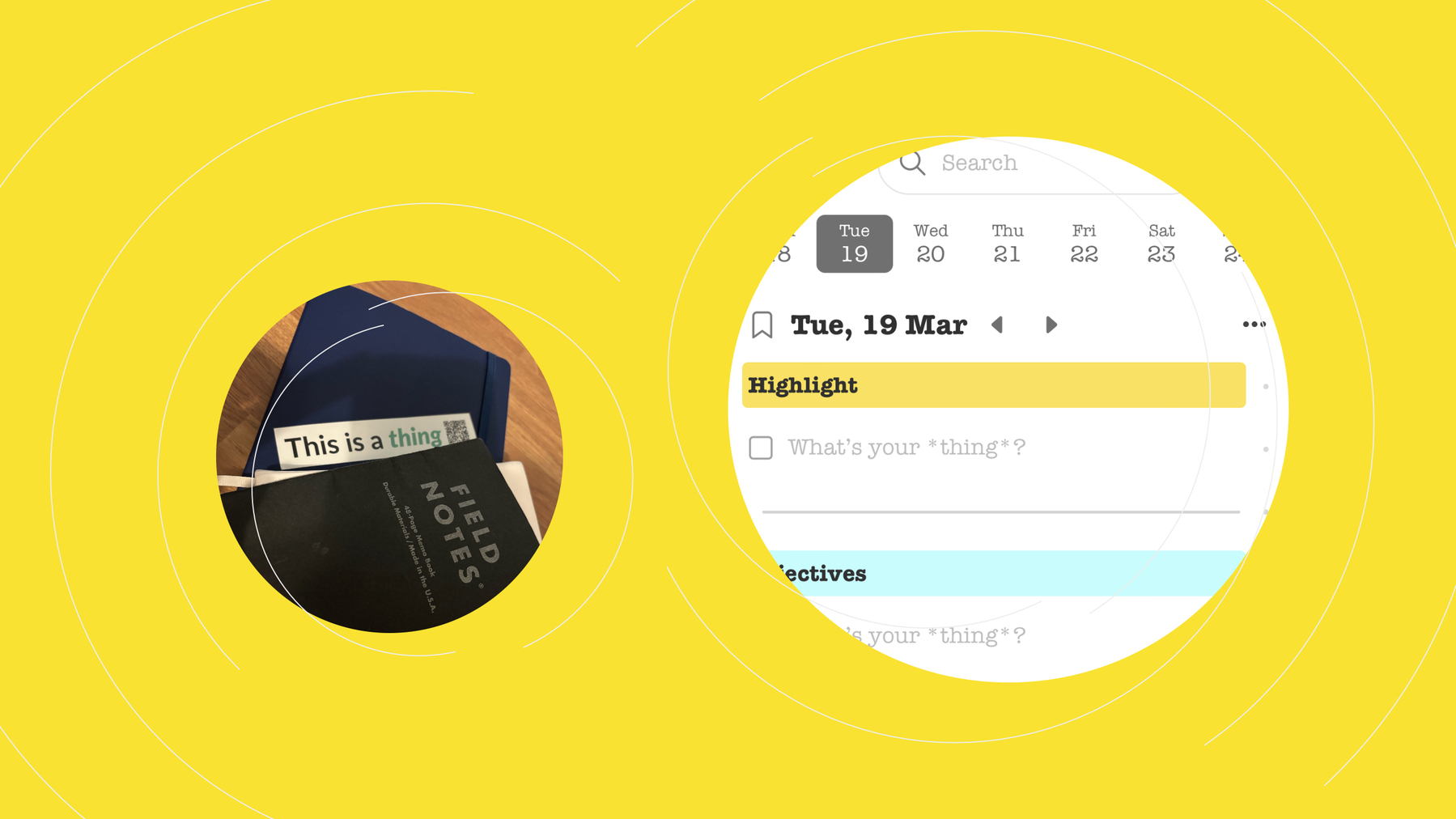
Here is a little rundown between Bullet Journaling and using Twos. There’s more to come on this topic. Please let me know your thoughts on this post.
Here is a little rundown between Bullet Journaling and using Twos. There’s more to come on this topic. Please let me know your thoughts on this post.
The main reason I enquired about the Twos app last year was the striking similarities to the Bullet Journal and the emphasis on writing things down quickly.
The likeness is welcoming. Even if you think there are nothing like each other, I would argue that I have been able to navigate between them both because they have similar concepts. Apart from Twos eliminating a lot of the hassle, really, the only big difference in the naming convention.
The Bujo issue
One of the most frustrating things about the Bullet Journal community is their overcomplicated, unrealistic Bullet Journal setups.
I see comments that the method and maintenance is hard work. It isn’t. I’m not one to keep with complicated systems, and I have been using the Bullet Journal method for many years, consistently.
Bullet Journals, or BuJo for short, should be like their name: quick to capture (like a bullet) and retrieve information when needed. Very little friction between thought and paper.
Unfortunately, the community (I’m looking at you, YouTube peeps), try to glamourise it and making it a spectacular exhibition of arty and creative adventures.
This is not me telling them what to do or a personal attack. I like what they have achieved. However, when the trending videos on the method are showing off these glamorous journals, it can be disheartening for beginners. Furthermore, their approach defeats the whole concept of Bullet Journaling = Simplicity X Speed.
In reality, there’s only five areas to maintain. Six if you include the collections. By keeping the Bullet Journal method simple, you can maintain it with ease.
I’m going to break down the six core features of a BuJo and what it looks like in Twos. ✌️
The Index
The index is what you would expect in any book. It lists everything that is contained within the book. When you add to the BuJo, you list it in the index alongside the page or pages.
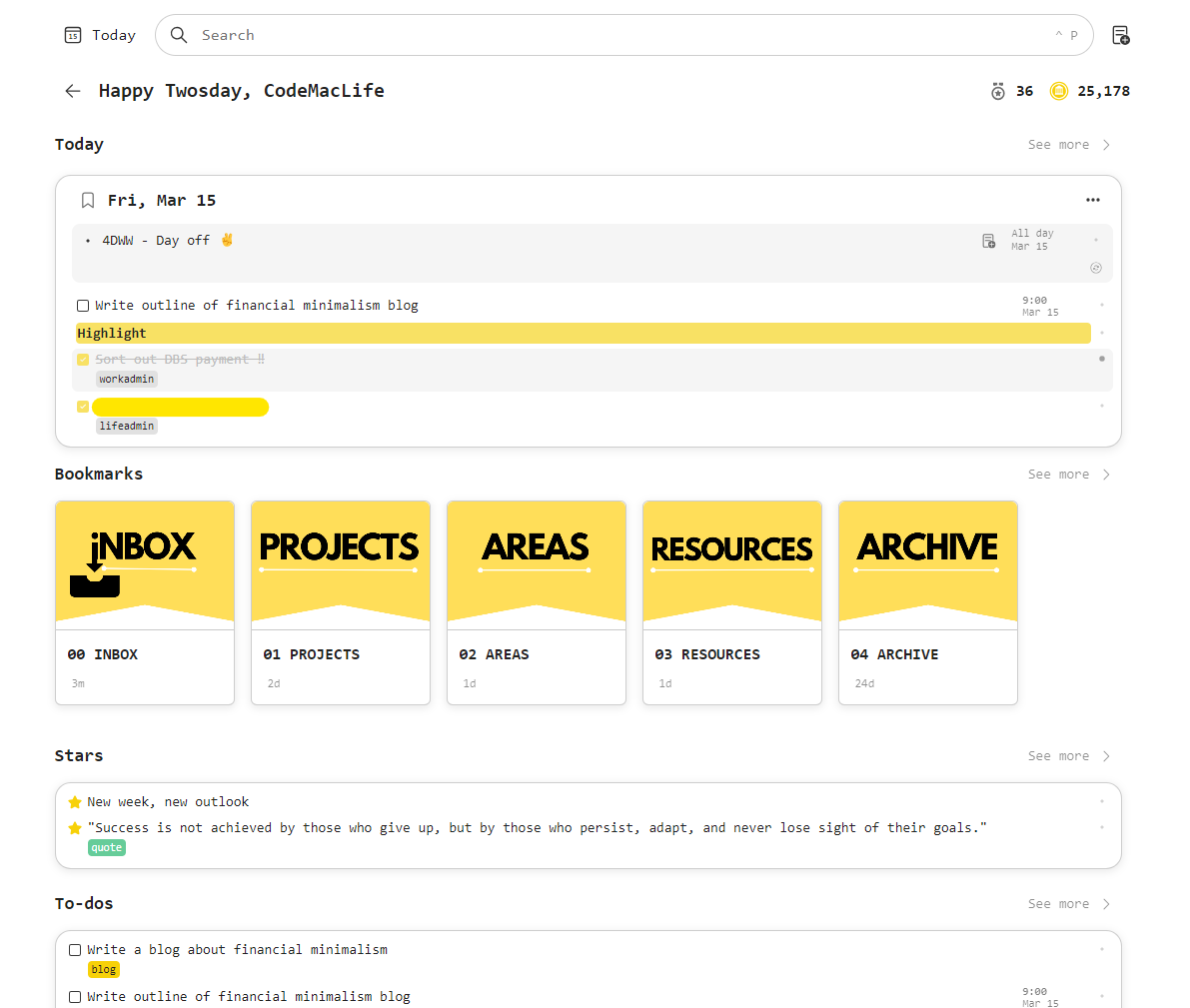
In Twos, an index is not needed. The information is quickly accessible through the search, bookmarks, and Universe (graph view).
The Future Log
The future log in a BuJo lists all twelve months over two to four pages, depending on what size Bujo you use. It is a place where you can plan the year ahead. Birthdays, events, commitments, etc will be listed here. Cancelled projects, events, and tasks can be migrated to the future log to be reviewed at a later date.
Twos doesn’t need a future log. It has the calendar view. Where the Bujo can display up to six months over a two-page spread, Two is limited to one month at a time.
There is nothing to stop a user from creating a list called Future Log and listing all the events and tasks in it. Furthermore, Twos allows the user to add reminders to these events, so they appear on the date they occur. In addition, these reminders can be pushed to your calendar service (Google, Microsoft, or Apple).
The Monthly Log
At the start of each month, a monthly log is created, which lists all your responsibilities and commitments. Using the future log for support, you plan the month out and ensure your goals align with what other commitments you have agreed to.
The process can be as simple as listing 1 to 31 with the first letter of the day next to them. Next to each date, list all the things you have on.
Again, Twos does not have this issue. There is the calendar view. Click on the day you want and add all the relevant data required. Alternatively, create a monthly log for and set the reminders for your events and tasks.
The Weekly Log
This is probably my favourite of the logs. The weekly log acts like a weekly review. Reviewing past logs and planning the week ahead is a great opportunity to list all your commitments and events. Priority tasks and goals can be set out on one page, separating them by days of the week.
You know what is coming… Twos does need this. Through the calendar view, you can click on month, week, or day view to see what you have on.
Not only that, but there is a dedicated Week viewer! You can scroll horizontally or vertically to view your weeks. Migration is easier, too. Simply dragging and dropping tasks, notes and events can be done through the week view.
My favourite feature in the move option. Click on the item known as things in Twos. A simple keyboard command or clicking on the Move button allows you to move the thing to another day or list.
The Daily Log
There’s not much to say here. Both act as a daily place to quickly log your events, tasks, notes, mood, thoughts, etc.
Everything from the future, monthly, and weekly log feed into the daily log.
Next steps and future actions can be planned in the daily log. Incomplete tasks can be migrated to the next day, month or further in the year using their appropriate log.
In Twos, migration is easy with the move button. Not only that, but you can insert images, links, set a focus timer, use a template, use AI to help build a project, and much, much more.
Twos has a web clipper for Chromium browsers to make the process quicker for clipping websites. You can even add hashtags to things for quicker retrieval!
Collections
Collections are different to event-driven content in the Bullet Journal. These are essentially lists, projects, or collections of information.
Twos has lists. Collections in Bujo are lists and vice versa.
For example, I have a list of TV shows, movies, books and places to eat in both my Bujo and Twos app.
In a Bullet Journal, the collection is added to the index with the corresponding pages, even if the pages are not sequential. I have one collection (project) on pages 23-26, 78, and 99-103. The physical size of your page limits how much content can be added to them.
In Twos, a list can be made, and the opportunities are endless. You can even link them to other lists of similar interests. Lists within lists are called sublists. I like to think of them as folders within folders.
Using the graph view (Universe), you can see how the lists are connected, revealing relations and hierarchy.
Lists can be placed in the Future, Monthly and Weekly logs using Twos. There are no restrictions like there can be in a Bullet Journal.
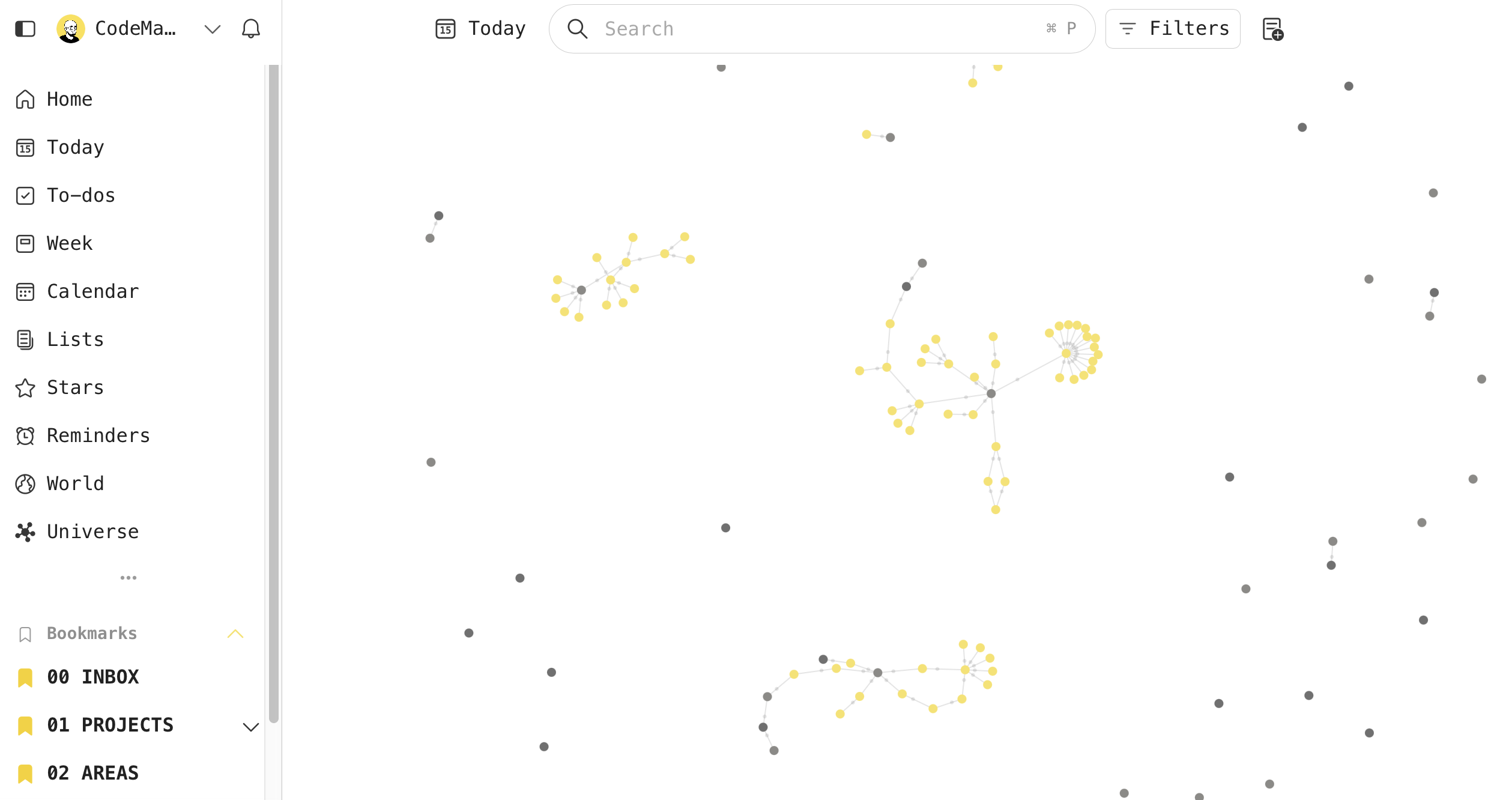
In a BuJo, you would simply reference the page number of the collection to where you want to view it. This is called threading. Think of it like back-linking. Each collection, event, task, or note can be interlinked across Bullet Journals.
Twos eliminates this complexity.
This is just a quick review. I will be expanding on this topic because I believe any bullet journal enthusiast will love Twos if they are looking for a digital companion.
If you are interested in using Twos for your bullet journaling, please sign up with my referral code: codemaclife.
Or click this link below:
https://www.TwosApp.com?code=codemaclife(https://www.twosapp.com/?code=codemaclife)
Mark @ CodeMacLife
Follow me on Micro.Blog
Follow me on Mastodon (AllThingsTech)
Follow me on Medium
Reconnecting with Minimalism
My time with maximalism taught be I don’t need much stuff

I have to be honest, I have let a lot slip in the past few months. To me, I had it in the back of my mind that I had to try new things that would usually be ignored. New experiences, lifestyle choices, a ton of new apps, different approaches to social media use, and to live a little with maximalism, just to name a few.
I’ve had fun, discovered new things and lived to tell the tale. But it comes at a cost, mentally, physically and financially. Just my overindulgence in apps has been overwhelming and costly. A lot of time wasted, but I learnt new things that I can apply across over apps.
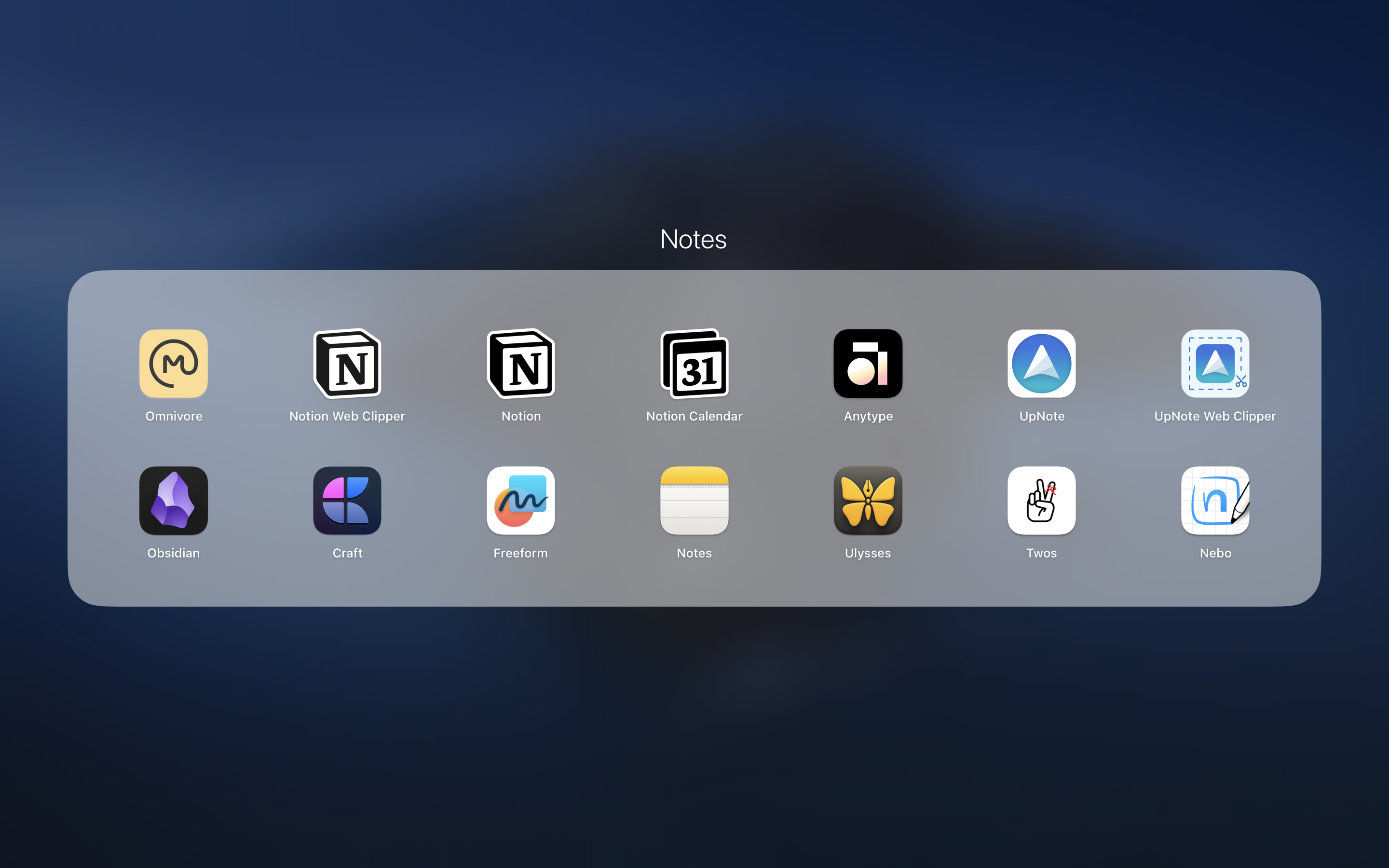
The brunt of the whole experience will not be paraded all over this blog. The details of my endeavour will be stretched over multiple blogs (I’ve got to earn that money somehow).
If anything, the experience of going all in with maximalism showed me the impact the world has on the human mind and body. I could not imagine living in a part of the world where you are subjected to advertisements everywhere you go, junk food galore and excessive debt (you know where I’m talking about).
The less you own, the more freedom you have. — Angela Horn
Simplicity is best.
Simplicity is best. You would be mistaken to think minimalism is all about having less. The only part that is ‘Less’ would be ‘less stress’. Just like Horn mentions in her TEDx talk, we actually experience more. More money and more time for a start.
Not only have I wasted money on stuff I have recently acquired, I have spent too many hours consuming or messing around with stuff. None of it brought me joy, money, or my time back. I am in deficit, in fact.
I am happy I have experimented with the life I would have led if it weren’t for my fortunate discovery of minimalism, alongside stoicism and essentialism (plenty of isms, I know).
But now — it is time to go back to my happy place. Somewhere I know I thrive and become a happier person. Some might see the journey as doing without. It is. It is doing without the things I don’t need in my life.
Just this morning, I cancelled three subscriptions and deleted three apps from my life. The list will certainly expand. Tumblr and Reddit went, too. By focusing on less, you give other things more value.
Less But Better
There was an adorning moment when I was reading Essentialism: The Disciplined Pursuit of Less by Gregory McKeown. Gregory spoke about a lead designer at Braun who thought everything was noise. He had an eye for observing what was truly essential. Dieter’s design criteria can be captured in three simple words — Less But Better (translated from the German words: Weniger aber better). He changed an industry by inventing the clear top record player, which was a far-cry from the furniture infused offerings at the time.
Emphasising Dieter Ram’s point, we can get better outcomes with fewer things in our life. Both minimalism and essentialism have a pursuit of less but better. Get rid of the trivial many to focus on the essential few.
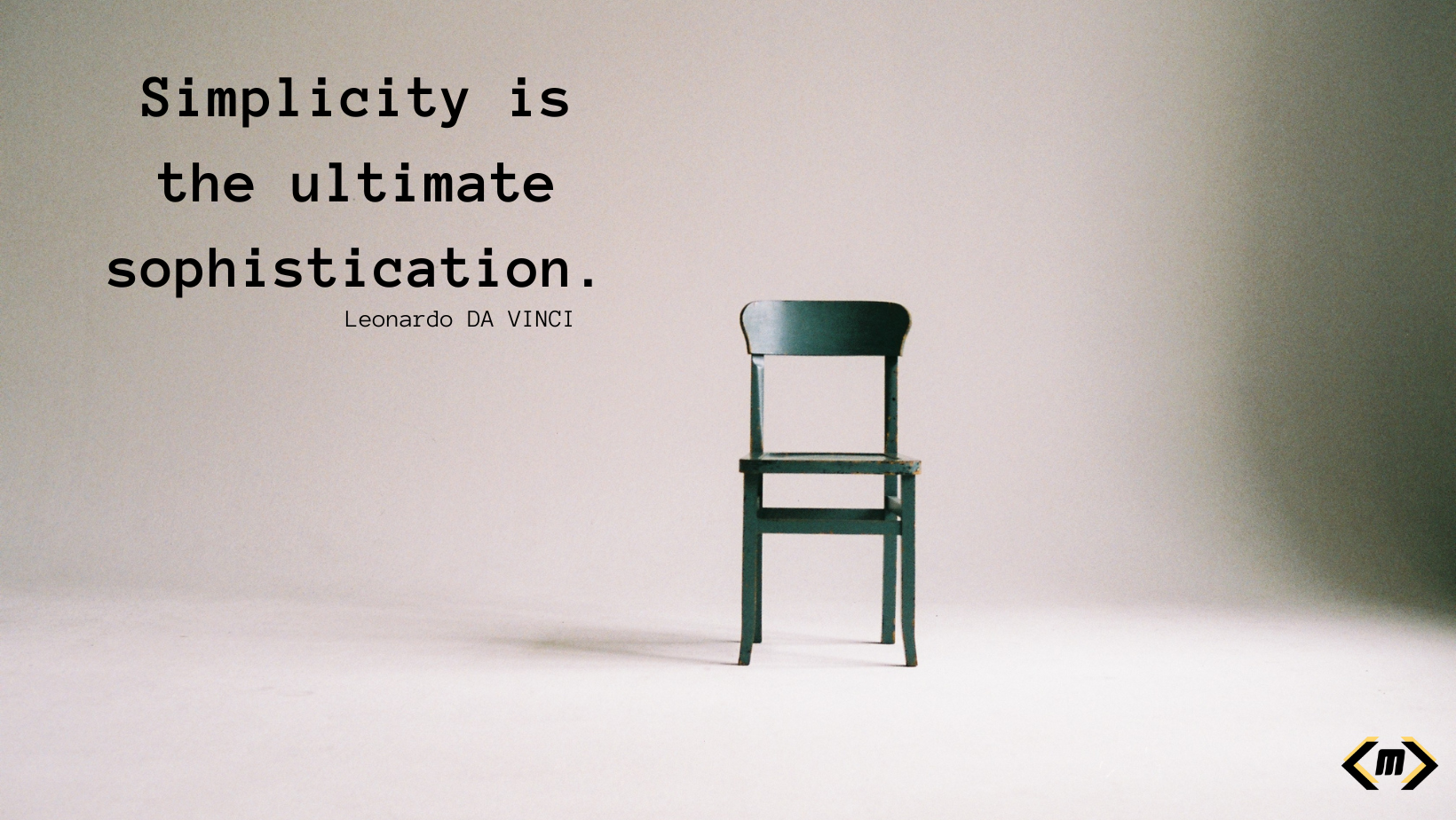
As much as people knocked Steve Jobs at Apple, he had it right when he was re-instated as interim CEO. Getting rid of all the products and focusing on a small handful, but doing them better. On his return to Apple, he removed 70 percent of the stuff on the product road map. Jobs’ “Think Different” opening to Apple Employees on 23rd September 1997 was a poignant moment, as he said they would only work on 30 percent of the products. To get back to basics and do it better.
To quote Steve Jobs on his drive for Less But Better — “A lot of this doesn’t make sense, and it’s way too much stuff, and there’s not enough focus.” There lies the issue with myself presently, and I know millions around the world could relate. We are absorbing and chasing too much stuff to truly get the basics as perfect as they can be.
Dieter Rams and Steve Jobs both knew that we need to have fewer distractions in life to truly enjoy life. This is essentially what I am doing. I’m removing everything I don’t see as essential and focusing intently on those things that stay in my life.
I will keep you posted on my progress. There might be some shock changes along the way.
As always, thank you for taking the time to read my post.
Mark @ CodeMacLife
Follow me on Micro.Blog
Follow me on Mastodon (AllThingsTech)
Follow me on Medium
Taking a pause from Twitter / X

I’m quiet-quitting Twitter / X for the foreseeable future. There are a few posts related to my blogs I want to get out in the wild first. I won’t delete my account as I have in the past. I intend to use Twitter in the future. However, I would like to make sure the platform is not in the mess it currently is before coming back.
Getting rid of Twitter means I have one less infinity pool to steal my attention. My time is precious. I’m not going to waste my time on a fictional fairyland with make-belief users. There are a handful of users I want to see and interact with. The rest can go away.
Twitter is the NPC world of social media. Multiple avatars talking to each other. Seriously, take the time to read the comments. It’s like an episode of Geordie Shore. Nothing is coherent or makes any sense.
Elon’s acquisition has shown me that you can be a billionaire, have the gear and still, have no idea. I genuinely feel like Twitter does not have a future at all. The damage has been done. The competition is surrounding it. One of the competitors will go in for the kill and end Twitter once and for all.
Each day, I am (not so) blessed with s*x bots liking my tweets and following me. In the past two days, I have managed to block forty-five accounts, which clearly show signs of being a bot. The platform is in a right mess.
Even with a simple tech-related search, I find my feed scattered with OnlyFans posts. I don’t want to see this. I’ve made changes and blocked words, but the posts keep appearing. There’s also the questionable, violent video content that continues to plague the site. It all needs to go away. Where are Twitter’s moderators?
I plan to step back from Twitter at the end of February. It’s a shame, really. I had a goal of posting one tweet per day. Not any more.
I’m happy on Mastodon through the AllThingsTech.social instance. Things are great on there.
As always, thank you for taking the time to read my post.
Mark @ CodeMacLife
Follow me on Micro.Blog
Follow me on Mastodon (AllThingsTech)
Follow me on Medium
Follow me on Tumblr
Email me at connect@codemaclife.net
One Year Without Gaming 🎮
Quitting gaming helped me refocus my attention on creativity
At the start of the 2023, I set out on a quest to remove gaming from my life completely. I, personally, had doubts about it being a success because gaming had been a considerable part of my life and identity (sadly). However, I knew I had a problem with working on my priority tasks over gaming. “One more go,” I would tell myself. Or the classic — set a timer for twenty minutes and hit the repeat button enough times to rack up over two hours of gaming.
I knew it wasn’t healthy, but I did anyway. I also continued to get stressed when I was behind on my work due to my lack of available time. Not only that, but I had lots of time, but I chose to waste it on gaming. Similar to the website I referenced in my first post, I thought about a 90-day game detox. However, three months would not be enough for me to complete the goals I wanted to achieve in 2023. I needed much longer than ninety days. Let’s go for the full 365 days!
It’s called procrastination.
It’s called procrastination, and I have a lifetime full of it. I completed plenty of jobs and projects in my day before the challenge, but I don’t enjoy it, even if I would benefit from putting in the effort. Procrastination, to me, is prioritising what I want to bring me joy over everything else. However, procrastination is not always a good action to take if it causes stress further down the road. There have been countless times when I have looked helplessly at the clock while staying up late to complete a piece of work that should have been done earlier in the day.
How quitting gaming helped me refocus my attention on creativity
I believe I have mentioned in another post somewhere I had put off the act of creating a blog for nine years. I went on a pursuit of happiness instead. Gaming, YouTube (of games), and listening to music were my preferred choice to chasing my aspirations. These habits were toxic for me. I don’t believe any of them are bad in moderation.
To say I was bored throughout the year would an understatement. Boredom can be uncomfortable. Boredom can also open up your mind to becoming creative. I had read in several articles, books, and University lecture notes while studying pedagogy.
With no game to turn to, I had one choice — look for something else to do. I spent hours researching how to blog, what platform(s) to use, and what skills would be needed. I signed up for a few courses and developed a style of blogging that I knew I could keep up consistently.
I read a lot more than I have ever in my life. Furthermore, I drew ideas and thoughts from these books that fed into my blogging. There were more hours freely available to read the bookmarked articles I had stored up to through the years. Some articles were not relevant any more, so I deleted them. I even managed to clear the 48 articles I had saved on Medium.
It’s remarkable what you can achieve when you make the time to follow your aspirations! Well. It has been a year since I posted that post (and the seventh month update).
How did I do?
The good news is I kept to my promise and stuck it out for a whole 365 days. I achieved something I knew would be the hardest challenge to date. I love gaming. It is the one thing I remember growing up and hanging out with my friends. We had our other adventures, bike rides, late-night kickabouts, but gaming always crept into the conversation.
The hardest part was breaking a habit I had relied on for a long time. Time blocking and revisiting my note of how I was going to achieve my goals helped me massively. I wrote a personal journal about the experience, reflected daily, and kept a closer eye on the other goals I had on my list. The experience was difficult from the start. There was no rational reason why I should have chosen to game over my goals. Gaming would not help the process of gaining what I truly wanted.
Temptations
Yes. There were many temptations because I’m human, after all. Gaming had been a habit for more years than I would like to acknowledge.
These temptations were directed at specific games, not gaming in general. In fact, it was three games I wanted to play: Minecraft (Java edition) on my MacBook Air; Forza Horizon 4 on my Xbox; and finally, Mario Wonder for the Nintendo Switch. I abstained.
I was exposed to gaming through online posts, friends, and my son gaming at home. I decided to unfollow users on X (formerly known as Twitter) (sorry) and gaming topics because I would rather not read content that was not relevant to me. Bookmarked links in my browser were removed, and I made sure there were no games on any of the devices I used. Apple must have known because the top suggestions on the App Store were games. Nothing was ever creative or productivity related.
My friends were understanding for what I wanted to achieve. Unfortunately, there were evenings when they all FaceTimed, and I was excluded. I was like the green bubble in the group.
My son wanted to show me something he was doing on a game. These requests slowly reduced over the year as he sensed I did not want to be around him while he was gaming. I felt bad. I want to show enthusiasm in what my son finds interesting. He also missed the times we would game together. Now that the challenge is over, I can sit with him and play something like EA FC24 or Minecraft together.
Around the tenth month mark, I started to get twitches. The gaming industry started spewing out new titles. My son made a list of what he wanted for Christmas. He mentioned what his friends were into and why X game was going to be a great hit in 2024.
Moving into 2024 — Will I start gaming?
Absolutely! I have been excitedly counting down the days. I won’t, however, be going back to my old ways. The difference being I will be selective and schedule the time in on my calendar. I have chosen a Friday evening for a maximum of one hour. I consider it to be a reward for working hard through the working week.
I will allow myself to have one game, preferably a puzzle game, on my iPhone. I’ve seen a few on Apple Arcade, but I haven’t decided which one I want to pick. Stitch looks like a good one to go with.
On my Mac, I have decided to continue with Minecraft because it is one of my favourite games of all time. Survival, in particular, is the best option for me, as the challenge of playing on hard mode gives me enough endurance.
I bought Super Mario Bros. Wonder for my wife and son. I want to try it out because they rave on about how good the game is. My wife, who is not a gamer by any means, has not put the Nintendo Switch down over the festive holidays. She absolutely loves this game and recommends it highly.
Final thoughts
Obviously, I can’t play all of these games at once. I am contemplating rotating them each week for variety. I’m sure there will be a time when I want to focus on a certain game. Either way, I won’t be going back to my old gaming ways.
Limited, but accessible gaming is the way forward for me. There is no way I would go through with this challenge again. The challenge was a success and I can say I have achieved what I set out to prove I can focus on other things.
My creativity, sleep, and motivation improved during the gaming challenge. I don’t want to let that slip in 2024.
As always, thank you for taking the time to read my post.
Mark @ CodeMacLife
Follow me on Micro.Blog
Follow me on Mastodon (AllThingsTech)
Follow me on Medium
Follow me on X / Twitter
Follow me on Tumblr
Email me at connect@codemaclife.net
My favourite place
Life at the beach is priceless. Every time.

There are moments in life when I feel most grateful. As 2023 ends, I reflect on the most important adventures and people. My family stands out above all the rest.
One adventure, where I get to relax and disconnect from the world, is my time I spend on the beach with my wife and son. Nothing beats the feeling of complete relaxation with the people you care the most about.
My memories at the beach are priceless. I can’t think of a better place to be. The smells, sounds, and beauty are all too vivid. Here lies my true Nirvana.
It is a time to put my phone away, remove my watch and get caught up in fun activities on the beach. Time stands still.
I will intentionally leave my Apple Watch at home and put my phone in the place we stay in (these photos were taken by my wife, who doesn’t disconnect like I do). Disconnection through my digital detoxes helps me relax more. Even a post this year by Outer Banks Vacations listed a few benefits of spending time on the beach. I agree with it all. Ideas for my creative thinking go into overdrive. My mental health feels restored. Moreover, I could do with a bit of vitamin D.
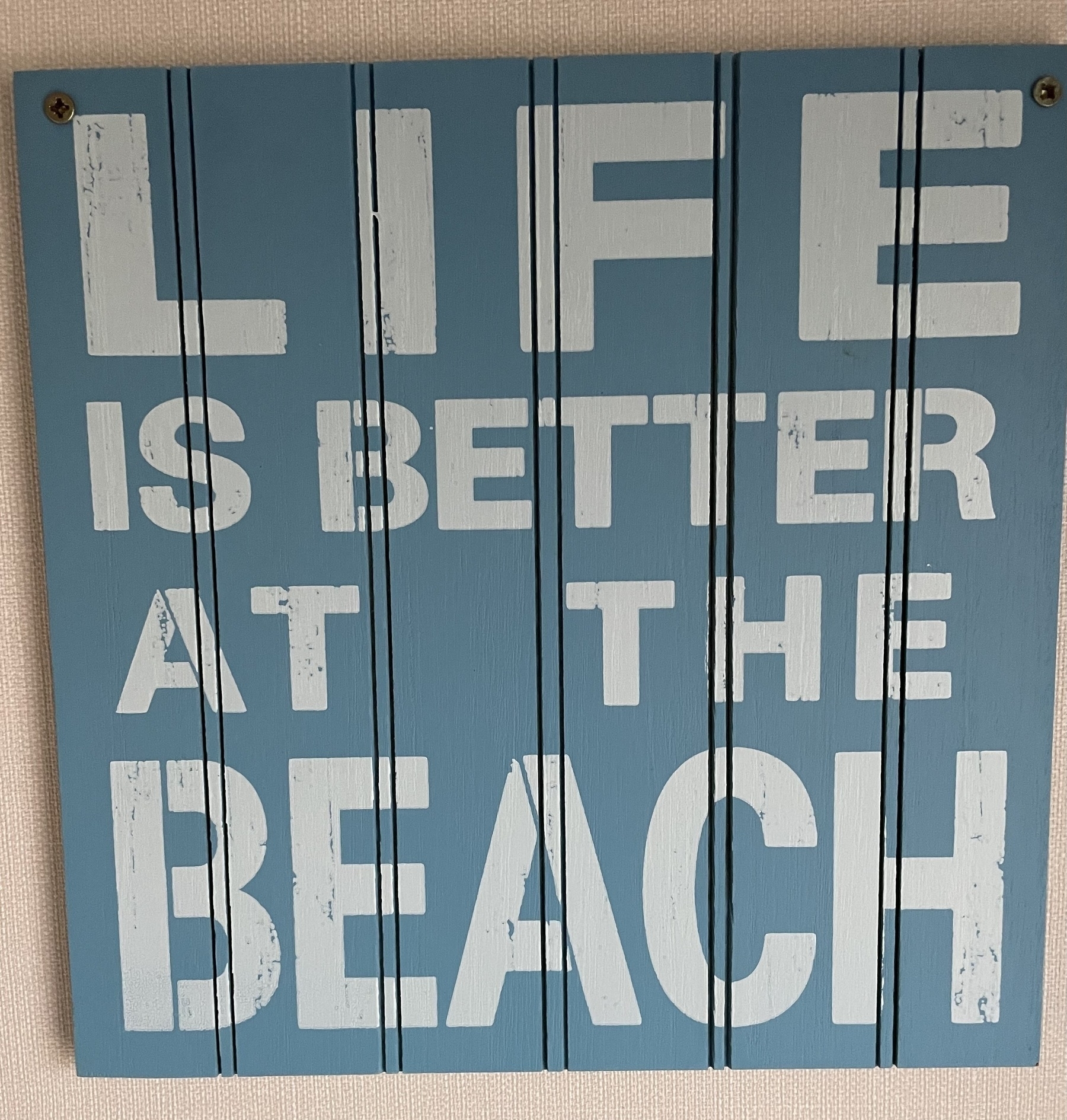
In 2024, I plan to take a few trips to the beach with my family. We are even lucky enough to explore Cancun, Mexico, later in the year. I am excited about that experience because Mexico is a country I have wanted to visit for a long time. I’ll make sure I upload some images from the trip, courtesy of my wife’s camera.
Life is, indeed, better at the beach.
As always, take care and thank you for reading my post.
Mark @ CodeMacLife
Email me at connect@codemaclife.net
Dumb phones are not the answer to digital minimalism
Dumb phones are not the answer to digital minimalism
I’m not saying ‘dumb’ feature phones are bad if you want to partake in digital minimalism. However, there are a few drawbacks that will take up your time when you could be using it more effectively on things you enjoy. I spent eighteen months with a feature phone (technically three phones) and the experience made me appreciate the smartness of having a smartphone. The problem isn’t smartphones, it’s you. Sorry to be truthful, but like any tool, it is how you use it that counts.
Backstory
At the end of 2019, I had enough of my smartphone addiction. I was spending more time than I would like to admit on my smartphone. As I recall, I would use my iPhone for a total of 6 hours and 37 minutes per day, as Apple screen time would inform me. That’s roughly 100 days of screen time wasted per year on what I was consuming at the time — gaming, social media, YouTube and aimlessly searching for random stuff to feed my dopamine obsession.
I felt shocked and appalled when I thought about it. I was always running out of time to complete my responsibilities and jobs I had on hold. Why couldn’t I achieve anything? I was always ‘busy’, complaining that I never had enough time to do anything. My solution — stay up until 1am to cram in as many jobs as possible. As you can imagine, it wasn’t long until I made myself poorly with sleep deprivation and unregulated patterns. My diet was all over the place, and I was hooked on energy drinks to keep me alert.
Discovering digital minimalism
I knew I had to have a mental reset. I did what most people would do — I researched about social media, mental health and dependency on technology (on my phone, of course). I stumbled across some comments on X (formerly known as Twitter) about someone called Cal Newport. He had a book out called Digital Minimalism: Choosing a Focused Life in a Noisy World. I certainly needed focus, and there were plenty of things distracting me in my noisy world. I purchased the eBook and sent it immediately to my Amazon Kindle app on my phone. I read the book within a week, on my phone, and quickly realised I was responsible for my shortcomings. Even if Cal expressed developers were creating apps and social media platforms to be addictive, it was actually my fault for falling for it. Taking responsibility for my actions was the only solution I could take to put things right.
I felt anger, contempt, and frustration towards my iPhone. I hated it. Furthermore, I hated Apple and the whole tech industry. The hatred grew, and I spontaneously deleted all of my social media accounts. I disconnected myself from the world. My phone felt neglected, as I purposely left it uncharged and out of sight (to the annoyance of my family). I knew it couldn’t be a maintainable approach to my problem. Avoiding wouldn’t resolve the concern, but I was adamant I was not going to use my phone.
Falling down a rabbit hole on YouTube probably was the best thing I did at the time. Yes, I ‘wasted’ hours over a couple of nights on consuming content, but I came to the realisation that others were being awakened to the modern issue of technology co-dependency. This is when I saw videos of people resorting to going all in with a dumb phone, later to be known as a feature phone. These were the phones I grew up with before the smartphone era came along.
Enter Nokia
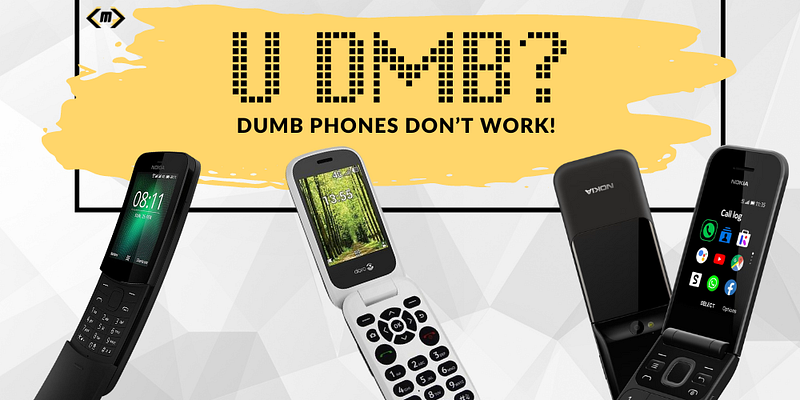
It was at this time I discovered Nokia were introducing remakes of their classics under an operating system called KaiOS. Within a week of browsing, I had a Nokia 8110 4G in my hand. The remake of the original Matrix phone, aka the Banana phone, was the answer to all of my problems. I loved it. I would show off how I was not hooked like a slave, unlike those around me. My preaching to others and high moral ground stance was embarrassing when I look back at it. I didn’t care at the time. I was enjoying life and looking down on those around me, who walked around like zombies glued to their smartphones.
Limited features meant fewer reasons to have a big data plan. I was able to go to a cheap data plan of £5 ($6.34) per month. I saved a lot of money in the fourteen months I was using a feature phone.
The 8110 4G wasn’t perfect, though. The number pad was tiny and awful to type on. I hated texting and calling people on it because there were multiple steps with every simple action. KaiOS is terrible — slow, bloated, ad-riddled, buggy and generally useless. I knew what I had to do. Search for a different feature phone! I did. I upgraded to the Doro 7060 flip phone. It had big buttons, KaiOS with Google Maps, and the novelty of flipping out the phone (quite literally) in front of others never grew thin. However, just like the 8110, the phone had its faults. The main problem was poor Bluetooth support for my car.
My wife would get fed up with my lack of ability to answer phone calls while driving. In the UK, using your phone while strictly forbidden. On top of this, my friends felt I was avoiding them by not being in the group chat. I was excluded from the WhatsApp group chat. It also caused issues with keeping up with my son’s football and basketball clubs. I had to get my wife to relay the meet-up information, which didn’t always get through to me reliably.
Back to the drawing board, I knew I loved the feel of a flip phone like the good old days. I set out to find a flip phone with smarter capabilities. I was in luck. Nokia released an ad trailer for their remake of the Nokia 2720. I was in awe. It had 4G, better Bluetooth options, a sleek design, and more importantly — WhatsApp. I could reconnect with my friends and groups. I bought the black edition because my default preference is always black. The phone was wonderful to hold in my hand. It connected to my car with ease. I was able to transfer some music across and everything was good.
Then the cracks started to show. The OS was buggy, the phone was generally slow, WhatsApp crashed, system navigation was terrible, and it was bloated with ads and Facebook. I have a problem with phones loaded with bloat.
Reverting to a smartphone
I managed to stick with my Nokia 2720 flip until the end of February 2020. There were too many issues. I was getting frustrated with the phone, and I was starting to consume hours of content on my desktop, which is no different to what I was doing on my smartphone before I switched to a feature phone.
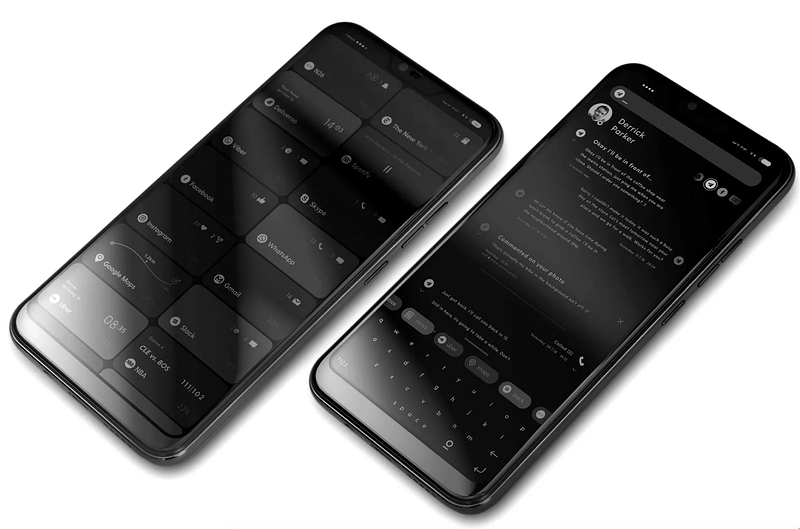
I had my eye on a smartphone that was designed for the digital minimalist in mind. It was called the Blloc Phone. It was an Android phone without Google services, which ticked many boxes and used many more tricks I knew were good for blocking addictive practices on devices, such as greyscale and minimising what you could see on the home screen. I watched videos of the phone in action, read everything I could on the phone/OS, as well as reviews from numerous outlets like Android Authority.
The phone had came out a couple of years prior, and I managed to buy it second hand from eBay. This phone shaped how I use phones today. It taught me about design language, intentional use, minimalist philosophy, and above all, the power of using monochrome to remove the need for colourful apps. You see, apps are in colour for a reason. Our brains are hooked on colour. We crave colour to get that dopamine hit. The Ratio launcher on a Blloc phone is the best launcher I have ever experienced (review). The launcher is now available on other Android devices from their Blloc website. I was able to use a smartphone without being hooked to it.
The Problem with dumb phones
Dumb phones won’t address the problem within us. They can help us disconnect and re-evaluate what we are doing on smartphones. The feature phone breaks up our dependency on constant access to the internet. However, there are some drawbacks that I would like to share.
Feature phones are not secure
Navigation
Apps
Communication
Photos and video
The solution?
So, what is the solution then? I am not saying this will work for you, but I have a few lessons I have learnt from my experience. These rules still carry on today with my phone usage. You might find some of them useful.
No social media apps on your phone — I refuse to use social media apps on my phone. Delete all of your social media apps from your phone. The added level of friction is essential to make you question whether you need to access the sites in the first place. I only access my social media platforms through a desktop or laptop. Having to make the effort to sign in, launch the browser and sign into the site is tedious, but it works. I have added enough friction to make me question if I really need to access the social media site.
Set time to access social media sites. I started off with thirty minutes a week on a Wednesday. It was on my calendar for 8:30pm. If that is too extreme, why not set the time amount of time each day? I have tried a rule where I am not allowed to access any social media at weekends, so I am able to spend quality time with my family. You want to build a habit of not aimlessly scrolling through social media. Be intentional.
Have safe spaces for your phone at home. These are typically three locations in your home where you can place your smartphone out of reach. I call them stations. The idea is to not have your phone near you all the time. I have the island in my kitchen, an office charging dock (when I’m not working in there), and a stand in my bedroom corner. I never have my phone near me when I am doing jobs or relaxing.
Only have the essential apps installed. I think this can be a tricky one to build into a habit because there are so many apps you want to try or have access to. I get it. I once had an impulse to have everything installed ‘just in case’ I needed to access it. I now focus on the following — Calls, default messenger, calendar, notes app and to-do list manager. If you need something else, think cautiously why you need the app on your phone.
This doesn’t mean I don’t have other apps installed. I have Day One for journaling, Twos App for quick capture and Upnote for practising my coding or capturing an article for scheduled reading. Removing all games is a viable option to take because it is another reason to use your phone. My gaming challenge made me think of this idea. I’m so happy I made this choice.

By only using your phone with the minimal amount of apps, you will see your battery will last longer. My iPhone 12 lasts two days without charging. I know people with a plethora of apps on an iPhone 14 Pro Max who have to charge their phone each day. Don’t be that person.
Remove ‘always available’ apps. This is probably a hard area to master. You don’t need to be a social recluse, but take care of yourself. I removed my email client app and anything to do with work. Although I have multiple social media accounts, I refuse to have any of their messaging apps installed on my phone. I also recommend you use your phone’s focus mode to block communication between certain times in the day. I have my wife and son in the exception list for emergencies. Recently, iOS has added the ability to limit what apps are available within their focus modes. For example, at 9pm, all my apps are locked out apart from the Phone, iMessage, Reminders and Calendar apps.
Go monochrome. As mentioned above, with the Blloc phone, boring monochrome is king. I use monochrome on my phone for 99% of the day. The only time I use colour is when I want to take or view a photo. The Blloc Ratio launcher has a nice feature where you can select certain apps to have colour, like the photos and camera app. My iPhone doesn’t have this feature, unfortunately. With a triple tap of the back on my phone, I can switch between colour and monochrome.
Be mindful. You need to be mindful of what you are doing on your phone. Consistency, intentionality and minimalist thinking are key to your success in digital minimalism. It’s not about being all ‘anti-social media’. These platforms can be used for good. What you want to do is take responsibility for your actions. Your phone is a tool for you to use. Don’t let the phone use you.
Finally, I would like to thank you for reading my post. If you wish to use a feature phone, and it will help you become less dependent on technology, go ahead and experience it for yourself. Just be aware that the experience will require you to plan ahead, cause friction between you and others, and become a logistical nightmare in the world we live in right now.
Mark @ CodeMacLife
How is my gaming challenge going? 7 month update
Is there life after gaming? My seven-month update discusses my experience during the year.
It has been seven months since I posted that I was going to quit gaming for 2023. A whole 12 months of no gaming on any platform or device. How have I held up to the challenge so far? This post will go over the ups and downs and why I am still succeeding. My post is a cumulation of journal entries and things I have recorded in Twos app.
The beginning
I stepped into the challenge with great determination. There were so many things I wanted to achieve in 2023, and I knew by quitting gaming I would have more time on my hands to focus my attention on my goals. Completing my coding course through an online college was my priority. I also wanted to start learning how to be a full-stack web developer, even if I didn’t take it up as a full-time job.
Everything was going well. I managed the month of January with ease. No distractions and I managed to complete one assignment of my coding course within two weeks. For context, each assignment was taking me five weeks to complete before I started this challenge. Unfortunately, something major happened. Nintendo and Xbox announced Golden Eye 007 was coming out at the end of the month. What? This was one of my favourite games growing up. I had bought a Nintendo N64 when it came out with my money (life goal). Now, I knew the challenge was on! I managed to watch one or two reviews of the game and moved on with my life.
The next hurdle came when I realised I had a habit of going to my phone when I was bored. As a Apple One subscriber, I enjoyed the games out on Apple Arcade. Nothing exciting. Just the casual games such as Stitch, Alto’s Odyssey, Jetpack Joyride 2, Asphalt 8: Airbourne+, Skate City, Charrua Soccer and Sonic Dash+. Instead, I had tools that served a purpose, and my iPhone became a phone. I knew. Crazy!
Positive outcomes
Because I was focused and intentional, I managed to complete my coding course in record time. I got great results back and I felt accomplished. The weight of the course kept me distracted from the gaming. The relief of completing something I had set myself up to achieve was incredible. Before the challenge, I completed another course through the same college. I missed deadlines (a lot) because I did not have enough time to fit college work in. This was a complete lie. I had plenty of time, but I was pacifying myself through gaming. I managed to get through my business administration course. However, the number of extensions I had was embarrassing.
If anything, the challenge allowed me to be more present. I wanted to spend more time with my family and friends. Instead of ignoring my son’s pleas to go outside to shoot some ball (his words), I went outside and played basketball and got to know my son’s interests more. Prior to this, I would say I was busy, surfing the web aimlessly and gaming on my phone or Xbox. I feel so bad for the missed opportunities with my son due to my selfishness to find instant gratification. My wife appreciates the time too. I am helping out more at home and talking more.
My sleep has improved. I am not gaming before going to bed. In fact, I spend at least an hour away from any screen before going to bed. I think the process of gaming last year before bedtime kept my mind racing when I slept. I never felt like I was getting quality sleep. I use the hour before bedtime to get everything organised and ready for the next day. This means I am not rushing in the morning and I know what I am doing. In turn, I can sleep better knowing everything is sorted.
Cost. I must mention this part. Coming off the gaming bandwagon has financial positives too. I would not like to admit how much money I have spent over the years on games, hardware, and subscriptions, but I know it will enough go on a nice holiday. There were a few games I saw this year that would easily have set me back £400 in total. I resisted. I don’t have to worry about having the latest and greatest any more.
Challenges
One word comes to mind from the challenge so far — boredom. I love gaming. I’m not an avid gamer who spends hours on gaming, but I enjoy the dopamine hit it gives me. There have been temptations along the way. I have a few favourite games I liked to play before the challenge. Forza Horizon 4/5, Fifa 23, Minecraft, NBA Playgrounds, Stardew Valley to name a few. The urges often come in the evening when I have more time to wind down. That time is now replaced with reading, meditation, exercise and reviewing my workload.
Ironically, one of the issues is my son wants to play some games together. With the summer holidays coming up, it will be difficult for him because we would usually spend time bonding while playing Minecraft, Roblox or another of his favourites together. I’m sure he can cope with playing physical games outside this summer.
New titles that came out have tempted me this year, and there’s more to come out later in the year that will certainly challenge me. Street Fighter 6, Mortal Kombat 1, Super Mario Wonder, Turnip all look incredible. I will have to hold out.
Post 2023 gaming
As much as I have liked the challenge, I won’t be continuing with it into 2024. What will be different, however, will be where I focus my attention. I will allow games on my iPhone again. These will be little brain puzzler games such as Sudoku, Stitch, Tetris and SpellTower+.
My son’s aging Xbox One will be replaced at Christmas with a PlayStation 5, which he is excited about. I’m sure I will be tempted to play a game with him when he gets it. I won’t spend my time on the games console alone, though. Furthermore, I know for sure that I want to keep that barrier in place.
Both my time on the PlayStation and phone will be timed. Possibly 30 minutes per day maximum? As boring as it may sound, I want to schedule this time into my calendar and stick to it. I think three times a week is enough.
The challenge has shown me the power of intentional living. It has highlighted how productive, creative and determined I can be when I apply myself. I have five months left. These months will be important leading up to Christmas. I want to complete my web development course on Udemy by then and have a .dev domain set up with my portfolio on.
I feel I am succeeding with the challenge because I set out goals and intentions from the start. I had an idea of how I was going to accomplish the challenge, as well as why I wanted to achieve my goals. My life was ‘busy’ without anything been completed. My life wasn’t busy at all. Instead, I spent time procrastinating over games, social media and YouTube to realise I had enough time. The desperation to reach my goals outweighed the need to procrastinate like I had all my life.
I will make another post about the challenge when it is complete. As always, thank you for taking the time to read my post.
Why I am quitting gaming for a year
.webp)
It has been a long-standing passion of mine to enjoy the thrill of gaming. I’ve spent countless hours competing in online tournaments, playing story-driven games, and exploring the boundaries of my favourite titles. I still remember receiving a Sega Mega Drive with Sonic the Hedgehog on Christmas Day in 1992. These days, I enjoy the time I have on the Forza Horizon series and a collection of Apple Arcade titles. But as I’ve grown older, I’ve come to realise that gaming is taking up too much of my time and energy. It’s become a major distraction, preventing me from pursuing other activities and responsibilities.
As much as I’ve enjoyed gaming, it’s time for me to take a step back from it. I want to pursue other hobbies like writing, coding, and exercise. I want to finally catch up on that long list of books I’ve been meaning to read (my Read Later list is too long to admit). I want to take the time to nurture my relationships with friends and family and to invest more in my career.

Why now?
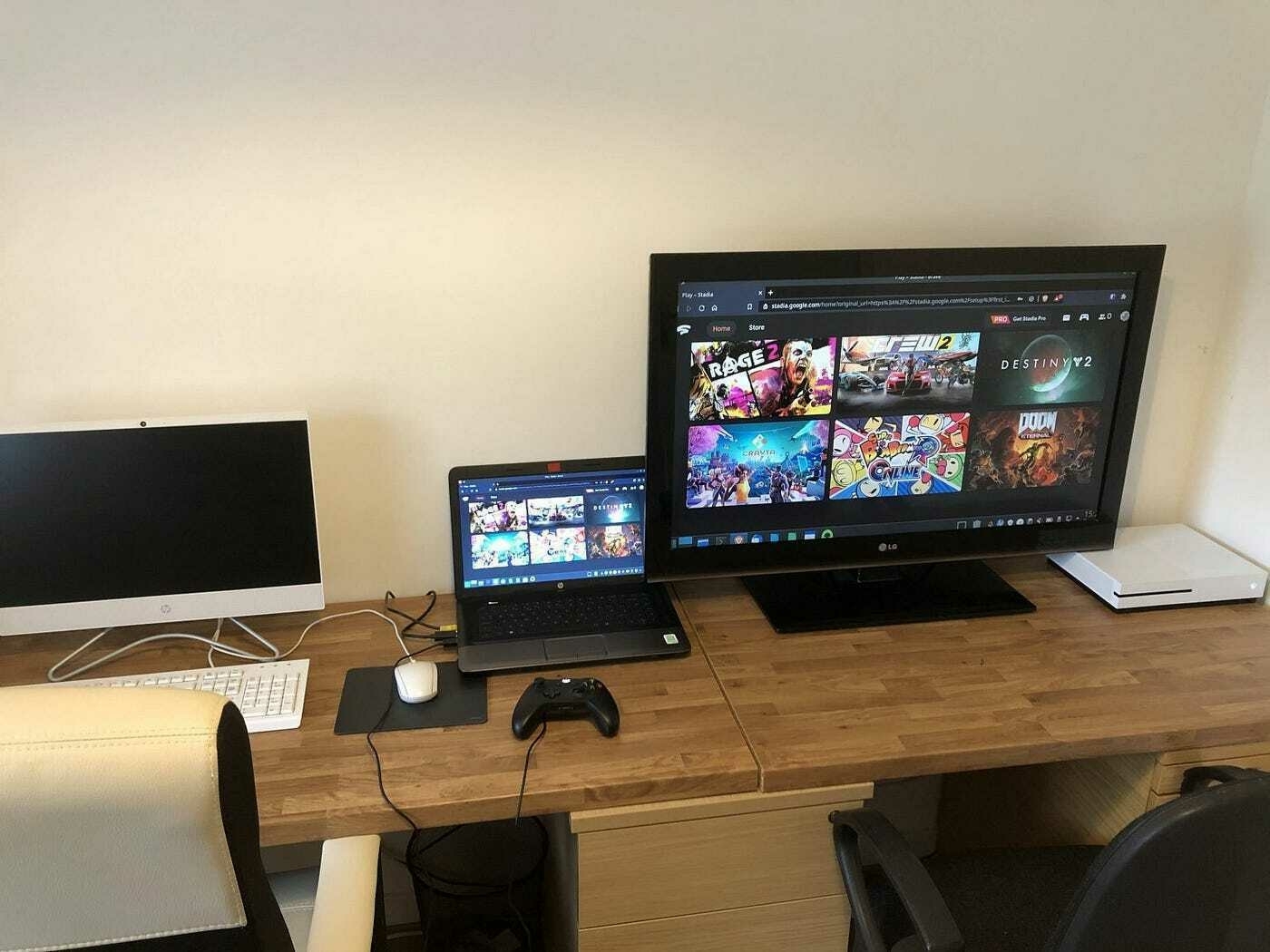
Gaining control of my time has become essential to reaching my goals in life. Gaming can be a great way to unwind, but it can also be a major source of stress. Reading articles on Game Quitters helped me evaluate my current situation. I don’t want to be tied to my gaming platform anymore, spending hours of my day losing track of time. Ever since the downfall of Google Stadia, I have had time to reflect on how I spend my money and time. I’m shocked to think I had spent over £300 on Stadia games. The reimbursement by Google was much appreciated. I used that money to take my family out and invest in online training.
The final straw was loading up my Xbox One S to install Flight Simulator through Xbox Game Pass to find out I needed a new Xbox Series X|S to run it. I really do not want to be spending more money right now.
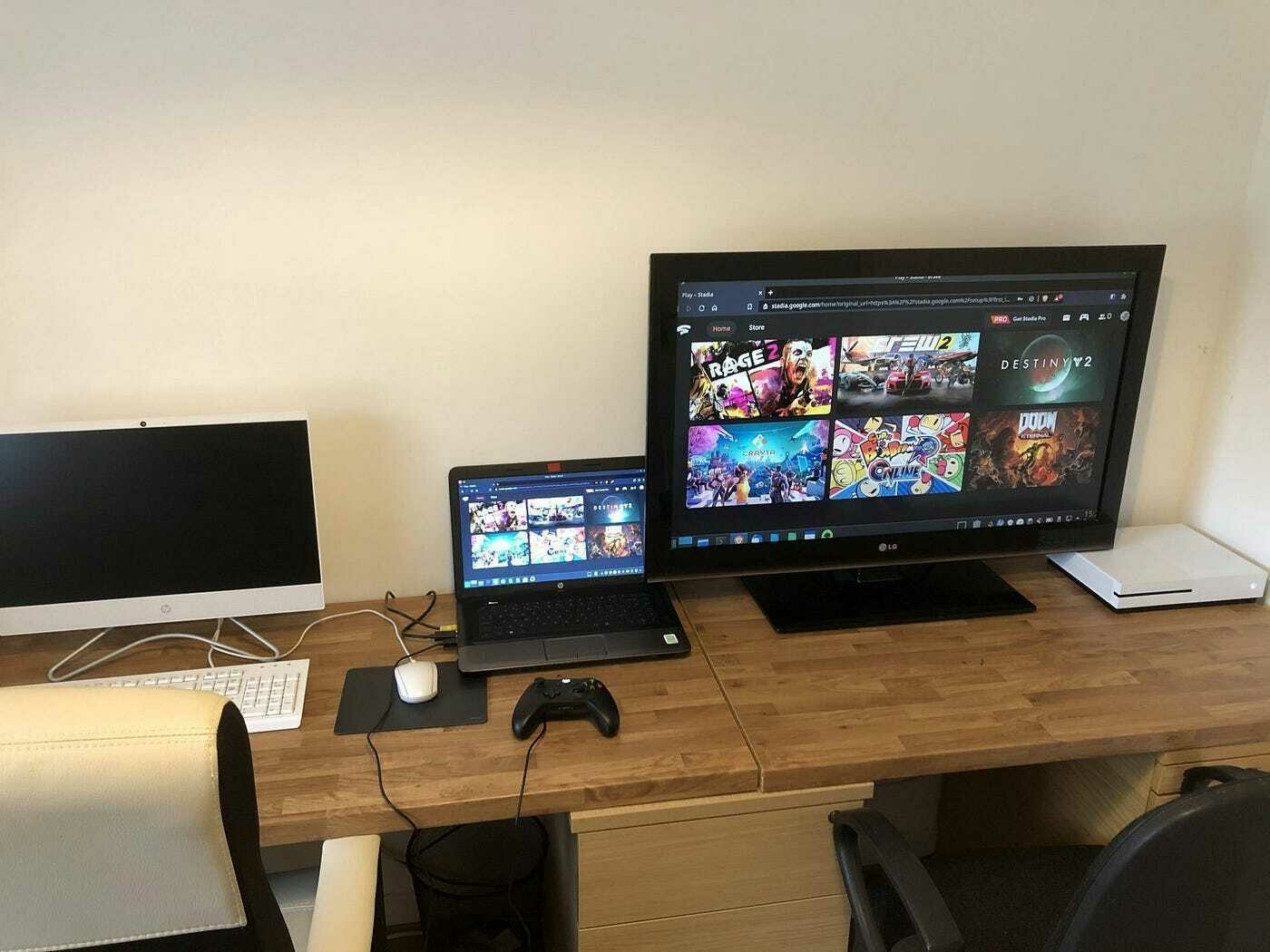
Moving forward
Quitting gaming is a difficult decision, but it is an important step to creating a better and more balanced lifestyle. From here on out, I will no longer let gaming control my life and my schedule. I have removed all games from my mobile devices, laptop and desktop PC.
The Xbox is staying because my son will use that for gaming with his friends. I genuinely don’t feel I will be tempted. To reinforce my new habit, I will be tracking it using Evernote. My time and energy will be channelled into activities that propel me forward and push me to reach my goals. It’s time to start making new memories and beginning new adventures.